
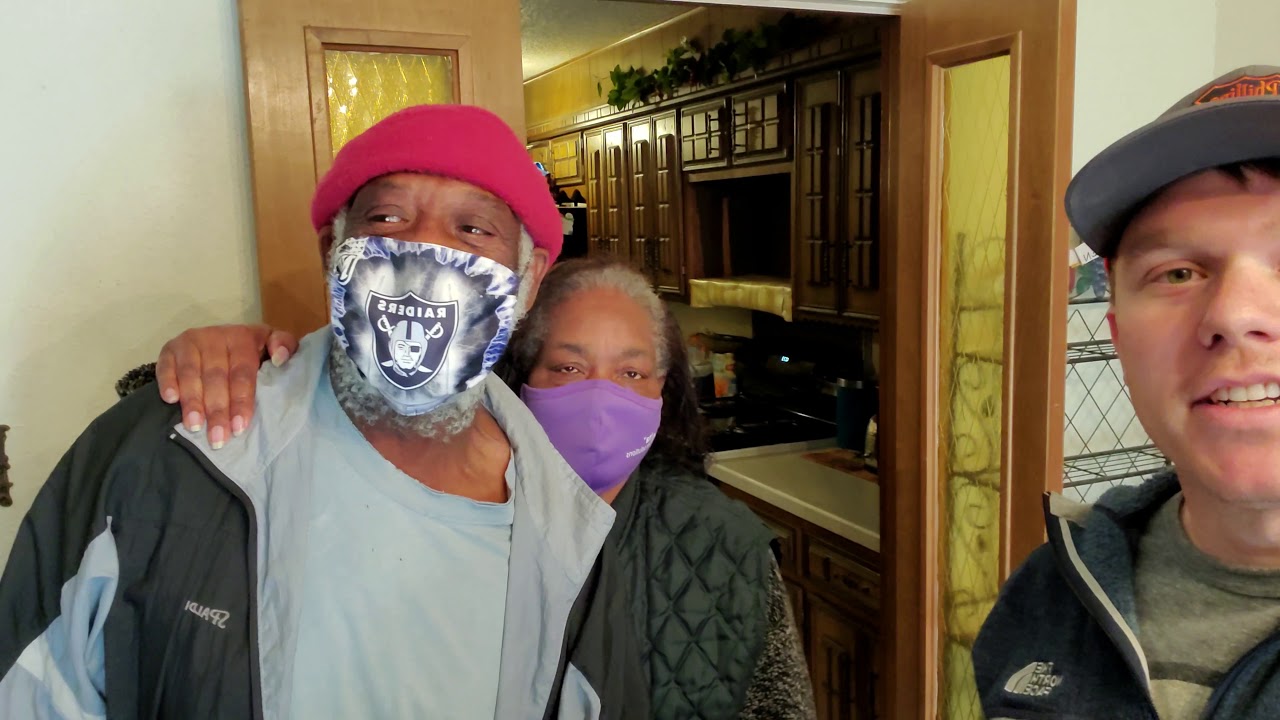
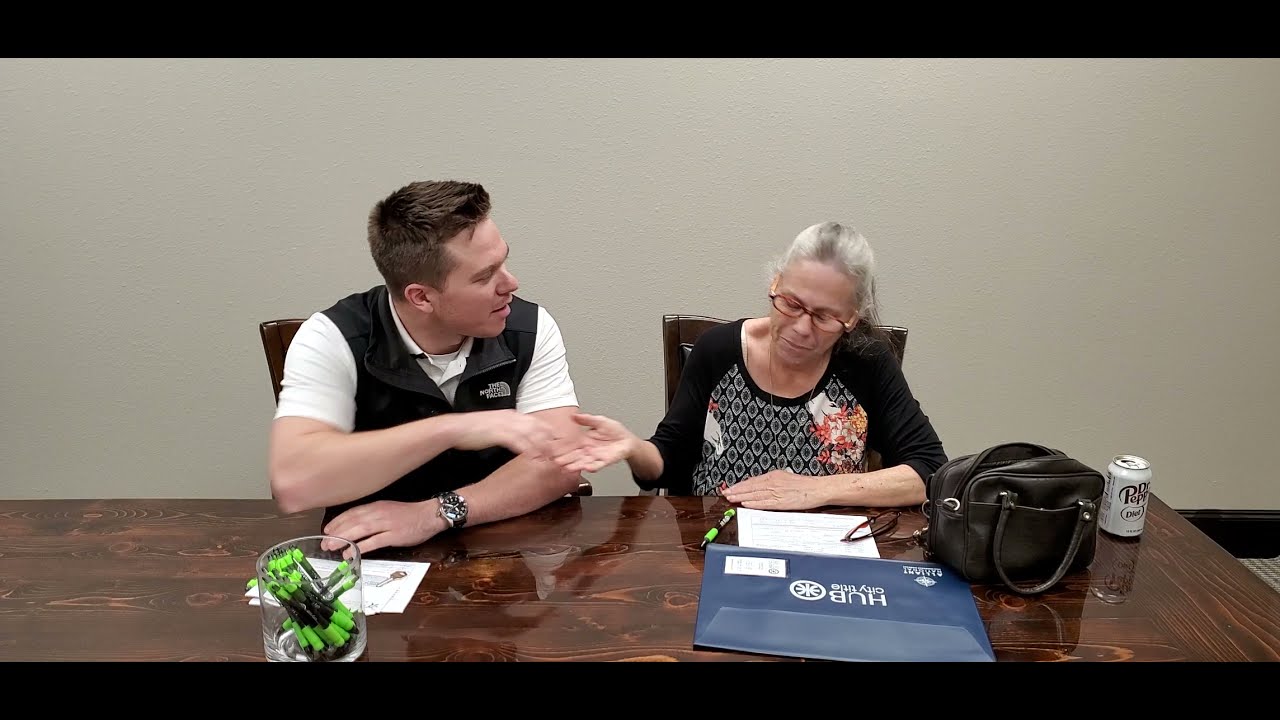

“They pulled through and pulled strings… and before you knew it, I was a happy camper. Get a hold of these people and they can help you out. I guarantee it”
Electrum is a local, family-owned real estate solutions provider specializing in purchasing homes directly for cash with minimal stress and zero fees. Founded by Jarrod Frankum in 2019 with deep West Texas roots, we offer a straightforward, respectful approach to home buying that puts you in control. Reach out today for a fair cash offer on your probate property.
"*" indicates required fields




While probate properties represent valuable opportunities for investors seeking discounted properties, selling a house in probate presents unique challenges for West Texas homeowners. This comprehensive guide serves as an essential resource for anyone navigating the probate process in Lubbock and surrounding areas. At Electrum Properties, we understand these complexities firsthand and will explain what probate entails while providing practical, locally-informed strategies to successfully sell your probate property while still securing a fair profit.
When someone passes away, whether they have a will naming beneficiaries or die intestate (without a will), their assets immediately become the responsibility of either the designated executor or the Court. Probate takes two primary forms: informal and formal. Informal probate involves minimal court oversight, typically when there’s an original will or clear agreement about heir identity. This article examines the more complex formal probate process, which becomes necessary when an estate faces significant debt, contested will disputes, or when the original will cannot be located. These challenging situations require Court involvement to ensure fair resolution.
Yes, it can! Depending on the estate’s condition at the time of death, a probate property can be sold by three entities: the executor named in the will to manage the estate distribution; the administrator appointed by the Court to handle an intestate estate with identifiable heirs/beneficiaries; or the Court itself when handling an intestate situation without heirs seeking administration. Once the proper authority determines property inheritance, the heir(s) or beneficiaries can begin petitioning to sell the probate property.
As an executor, your fundamental responsibility is safeguarding estate assets for proper distribution to heirs or beneficiaries according to the will’s instructions. However, challenging situations often emerge – significant creditor debts, property deterioration, or mounting back taxes can complicate matters. When these financial burdens arise, executors, administrators, or the Court maintains legal authority to sell property to resolve outstanding obligations, even when heirs might prefer alternative arrangements.
Here’s a real scenario we’ve helped families navigate: When an elderly woman passed away, she left behind a $150,000 home but also $90,000 in combined hospital bills ($80,000) and credit card debt ($10,000). With no liquid assets available, her appointed executor faced a difficult situation. Despite her passing, these debts remained obligations of her estate. The executor needed to sell her property quickly to settle the $90,000 debt, allowing the remaining $60,000 to be divided between her two heirs. At Electrum Properties, we specialize in helping executors and families through these exact situations with speed, compassion, and fair offers.
When someone passes away without a will and leaves no immediate heirs, the court may order their probate property sold. As local West Texas experts, we understand these sensitive situations. The proceeds from such sales are then distributed to the closest living relatives, providing closure during difficult times.
If you own a Texas property stuck in probate and are struggling to find a selling solution, there’s good news! As your local real estate partners here in West Texas, we understand the regional probate process. Depending on local and state regulations, selling a probate property typically involves four key steps. First, an executor or administrator must be assigned if one wasn’t already designated by the deceased.
After being appointed executor (or reaching an agreement with the executor on how to proceed), you’ll have the authority to make crucial decisions about the inherited property. Whether you’re facing estate debts or managing a property too far away to reasonably maintain, selling might be your best path forward. Before making any listing decisions, you’ll need a professional property appraisal. With that valuation in hand you can decide how to sell—whether by owner (FSBO), through a probate-specialized realtor, or directly to a trusted local buyer like Electrum Properties who understands West Texas real estate and offers straightforward, stress-free transactions.
The first step is determining your property’s true market value. This requires either a land assessment from a trusted local expert or working with an experienced West Texas appraiser who understands probate regulations. Texas sets no minimum sale price for a probate property and has no 90%-of-appraisal rule, though some other states do. It is still essential to partner with an honest appraiser who provides realistic valuations rather than inflated estimates that could complicate your selling process.
After receiving the appraisal, you as the executor, along with your attorney, must file your intention to sell the property and other assets with the court. This filing should include the final appraised value and your chosen selling method. You have several options: auction, traditional market listing, or a direct sale to a local investor. Once the court approves your petition, you’re free to market the property. Whether you’re selling independently, working with a real estate agent, or partnering directly with a trusted local investor like Electrum Properties, make sure you have guidance from someone with specific probate property experience in West Texas.
When considering multiple offers on your property, it’s essential to align with your personal selling goals. Are you facing estate settlement deadlines requiring a quick sale? Would you benefit from waiting for a better offer? Is your home in need of significant repairs that most buyers won’t tackle? As Lubbock’s locally-owned home buying team, Electrum Properties understands the unique challenges West Texas homeowners face—from foundation issues to storm damage—and we create customized solutions that respect your timeline and circumstances.
Understanding your specific goals for the property sale will guide you in selecting the right offer, allowing you to progress to the next stage…
This is where Texas differs sharply from most states, and it usually works in your favor. Most Texas estates are handled through independent administration under Chapter 401 of the Texas Estates Code. If the will grants the executor power of sale, or if all the heirs agree to it, the executor can generally sell the property without a court confirmation hearing, without a judge approving the price, and without the in-court overbidding process you may have read about on national websites. Those procedures belong to other states and do not apply to a standard Texas independent administration. If the estate is under dependent administration instead, which happens when there is no will, when the will does not grant power of sale, or when heirs are in conflict, the administrator does have to petition the court for approval before closing. That path is slower and costs more, which is why it is worth asking early which type of administration your estate is under.
Muniment of title. Texas is one of very few states that offers this (Estates Code Chapter 257). If there is a valid will and the estate has no unpaid debts other than a mortgage, the court can admit the will as a muniment of title, transferring the property to the beneficiaries without a full administration. It is faster and cheaper than the alternative. The four-year deadline. Texas generally gives you four years from the date of death to probate a will (Estates Code Section 256.003). Miss that window and the estate is usually treated as though there were no will at all, which makes selling the house considerably harder. If you have inherited a house in Lubbock and have not started probate yet, that clock is the most important thing on this page. This is general information rather than legal advice, and every estate is different. A Lubbock County probate attorney can usually tell you in one conversation which path yours is on.
At Electrum Properties, we understand that selling your house, condo, rental property, or land should be straightforward. Even when you’ve encountered obstacles during the process, once you accept an offer, you can move forward to complete the sale. In a Texas independent administration there is no final account or petition for distribution to file, and no separate court approval of the sale. Title documents are signed at closing, officially finalizing your property sale with the local expertise and integrity you deserve.
We certainly do! Electrum is a local, family-owned direct home buying company founded by Jarrod Frankum in 2019. We’ve earned our reputation by purchasing houses for cash with minimal stress and zero fees. As West Texas natives, we understand the local market and can offer fair, competitive cash offers on your probate property. We buy homes in any condition and can guide you through the complex probate selling process, making it faster and as stress-free as possible.
"*" indicates required fields

Following a loved one’s passing, family members might rush to sell the property to create space for grieving. Alternatively, when an estate faces mounting interest-bearing debt, the executor or administrator may attempt to sell quickly by pricing below market value to settle obligations. Hasty sales can also occur when properties require significant repairs that beneficiaries are unwilling to fund. In these cases, they might undervalue the property to facilitate an as-is sale.

Here in Texas, Real Estate Disclosure requirements can feel just as overwhelming as navigating probate! These laws mandate that sellers reveal specific property issues (like lead paint or asbestos) to potential buyers before closing—adding another layer of stress when you’re already dealing with an inherited home.
Most states require sellers and their agents to disclose “material defects” about the home in writing. According to the National Association of Certified Home Inspectors, material defects are “…a specific issue with a system or component of a residential property that may have a significant, adverse impact on the value of the property, or that poses an unreasonable risk to people. The fact that a system or component is near, at or beyond the end of its normal useful life is not, in itself, a material defect.”
Experienced real estate professionals excel at navigating these complex requirements, but what happens when you’ve inherited a property you never lived in? How could you possibly know what needs disclosure? Fortunately, in many states, executors, sellers, and agents handling probate properties may be exempt from completing standard real estate disclosure forms. This practical exemption exists because someone who never occupied the home would have no reasonable way to know about its potential issues.
If you’re unsure about your state’s probate requirements, consulting with someone knowledgeable in probate real estate (whether a specialized agent or investor with probate property experience) can help you navigate these legal complexities. Consider selling directly to a local investor like Electrum Properties who understands probate properties and willingly accepts the risks of purchasing from someone unable to provide complete disclosure. As your neighbors here in West Texas, we’re committed to finding straightforward solutions that respect your situation and timeline.

We cannot emphasize this enough – a knowledgeable real estate attorney with probate experience can help you navigate the process significantly faster and more efficiently than attempting it alone! They’ll know precisely how to petition the Court to list your property for sale and can guide you through the legal steps to sell that unwanted property with minimal hassle and emotional stress. Even a consultation can help identify blind spots in the probate process you might otherwise miss.

When grieving the loss of a loved one, it’s natural to need time to process your emotions. However, inherited probate properties wait for no one – property taxes continue to accumulate, utility bills arrive like clockwork, and mortgage payments remain due regardless of your circumstances. Without timely action, these mounting expenses can quickly drain the estate’s resources, creating unnecessary financial strain during an already difficult period.
Absolutely! Electrum is a locally-owned, West Texas-based cash home buying company founded by Jarrod Frankum in 2019. We’ve built our reputation by purchasing properties directly with minimal stress and zero fees. Contact us today for a fair cash offer on your probate property. As your neighbors who understand the local market, we purchase homes in any condition and can guide you through the complicated probate selling process, making it faster and as worry-free as possible.
"*" indicates required fields